Sports shown on the BC.GAME page
The sports publication checked on 13 July 2026 displayed cricket, football, tennis, basketball and esports labels. That confirms the navigation terms used on the page at that time. No signed-in selection, location-specific access or live event feed was tested.
Cricket formats change the meaning of a period
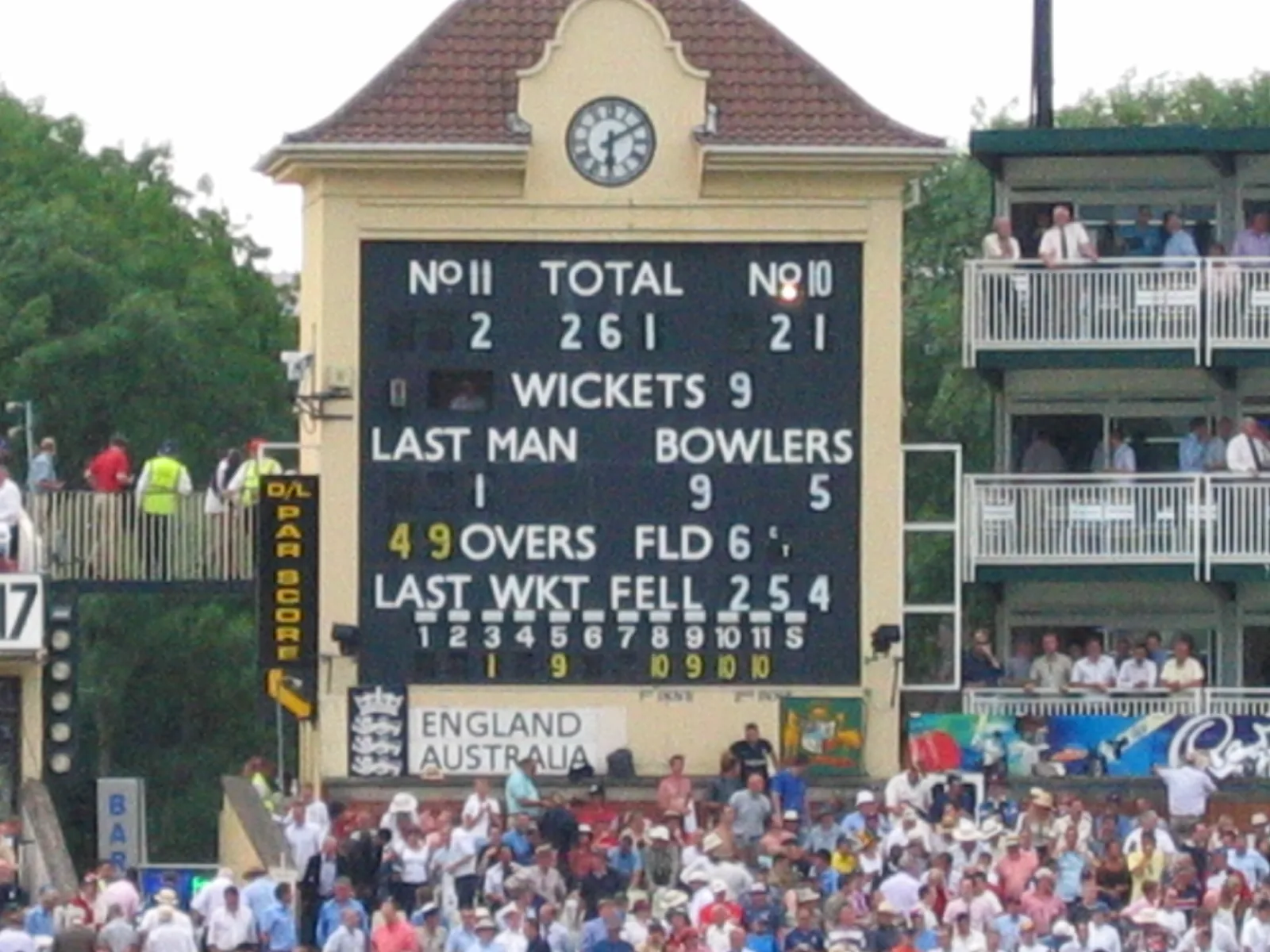
A Test match can contain two innings per side and run across several days. A one-day match limits each side to a set number of overs, while T20 compresses that structure to twenty overs per innings. A label such as “next event” therefore needs the match format, innings and over before it has a precise place in the score sequence.
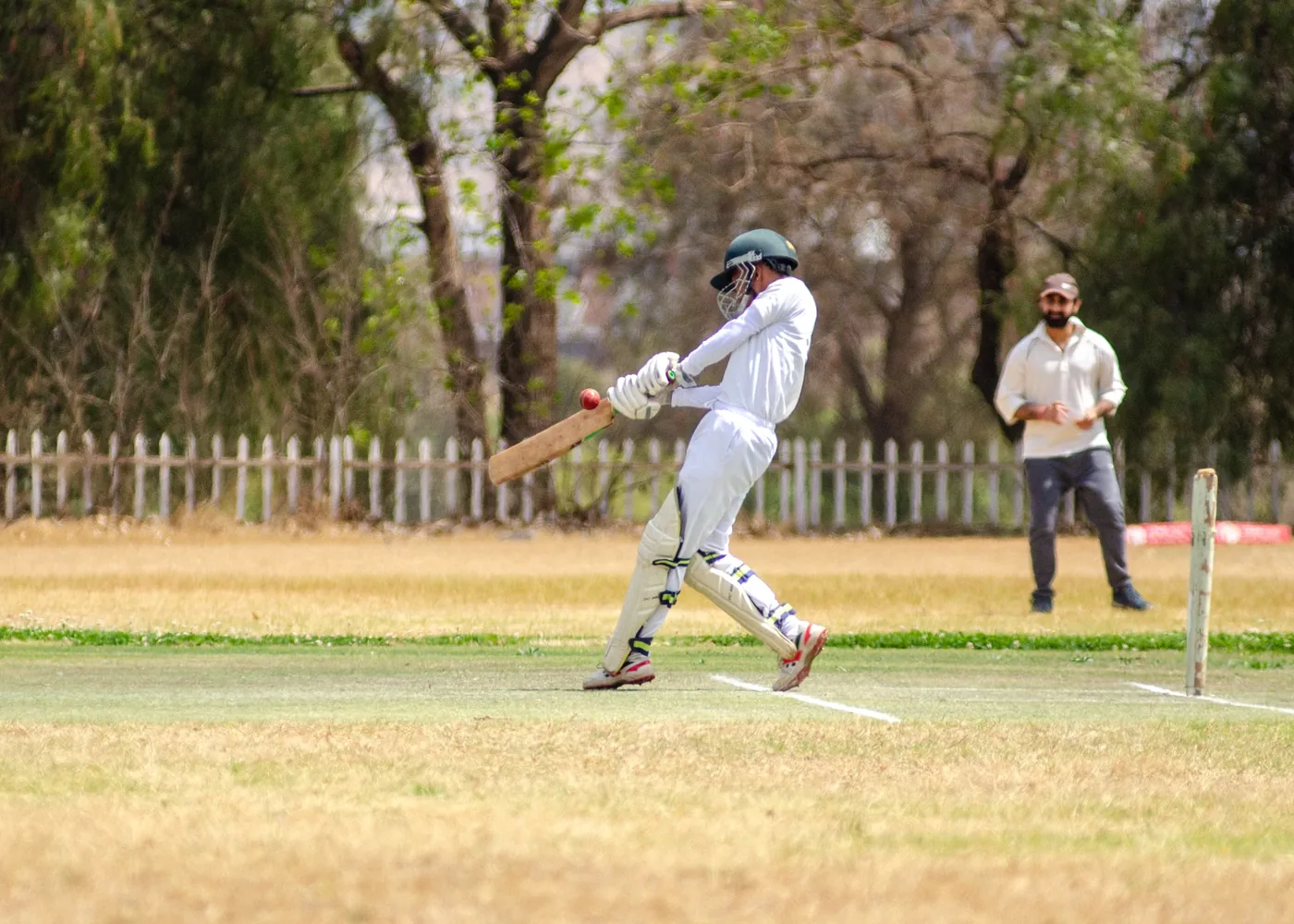
A wicket, completed run or delivered ball may be recorded at a particular moment, but the interface can update later. The written condition should say which match record controls and how an abandoned, shortened or corrected period is treated. This page does not reproduce event conditions for a live fixture.
Pre-match and live labels
Pre-match information appears before an event begins. Live or in-play information is displayed after it starts, but the screen may not be simultaneous with the action. Capture, supplier processing and interface refreshes can operate on different clocks.
A suspension or later correction has to be read with the written condition for the sport, competition and period. The timing label alone does not say which record controls. In cricket, a delivery can be completed before the score display changes; in tennis, a point correction can alter the game state shown a moment earlier. The same timing caution applies even when the layout looks immediate.
How the hierarchy changes by sport
Football commonly moves from a competition to a match, half and event. Tennis uses match, set, game and point. Basketball adds quarters and clock states; esports may use maps and rounds. Cricket introduces innings, overs, wickets and player events.
The four-level diagram is an orientation tool. The rule for the specific competition decides what counts as a period, when an event is accepted and how a correction is handled.
Where a screen update comes from
An event is recorded at the venue or through an approved data process, passed to a supplier, normalised for the interface and then displayed. Each stage can add delay. If the source later corrects a wicket, point, card or clock state, the interface may revise the earlier display.
The supplier name alone would not answer every question. A useful rule names the controlling record, explains suspensions and describes what happens when two feeds disagree. The data-chain diagram below shows the route without pretending that the page is a live feed.
Delays and corrections
Three timestamps may differ: when something happened, when a supplier recorded it and when the interface refreshed. A screen that looks immediate can still trail the real event. A later correction may also change the displayed record. The page timestamp should therefore be read beside the event state, not as a guarantee of simultaneity.
This guide provides no odds, prediction, market recommendation or live schedule. It also did not test settlement, transaction handling, supplier accuracy or support response. For the current Indian legal sources, use the official-document reader.