

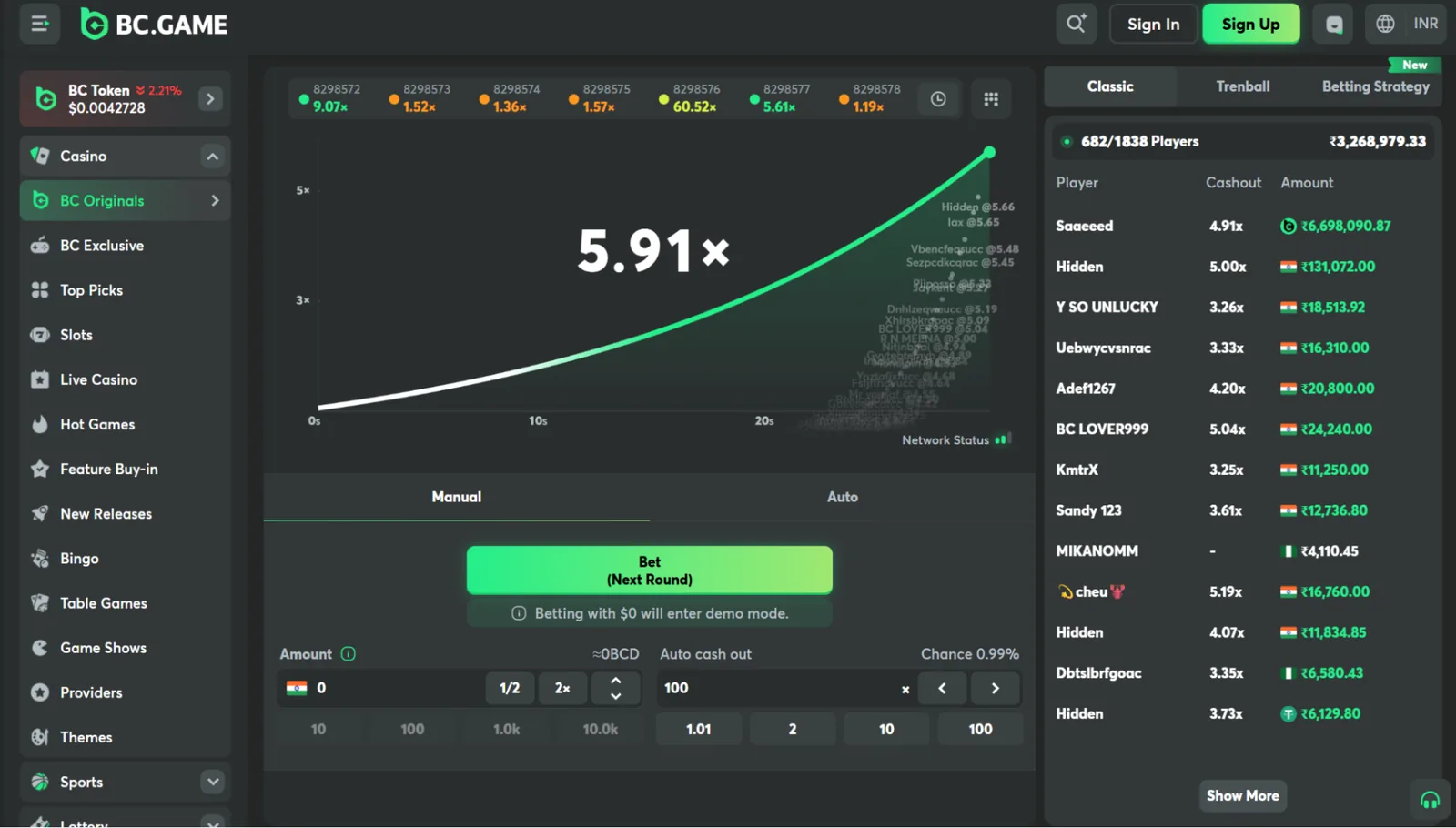
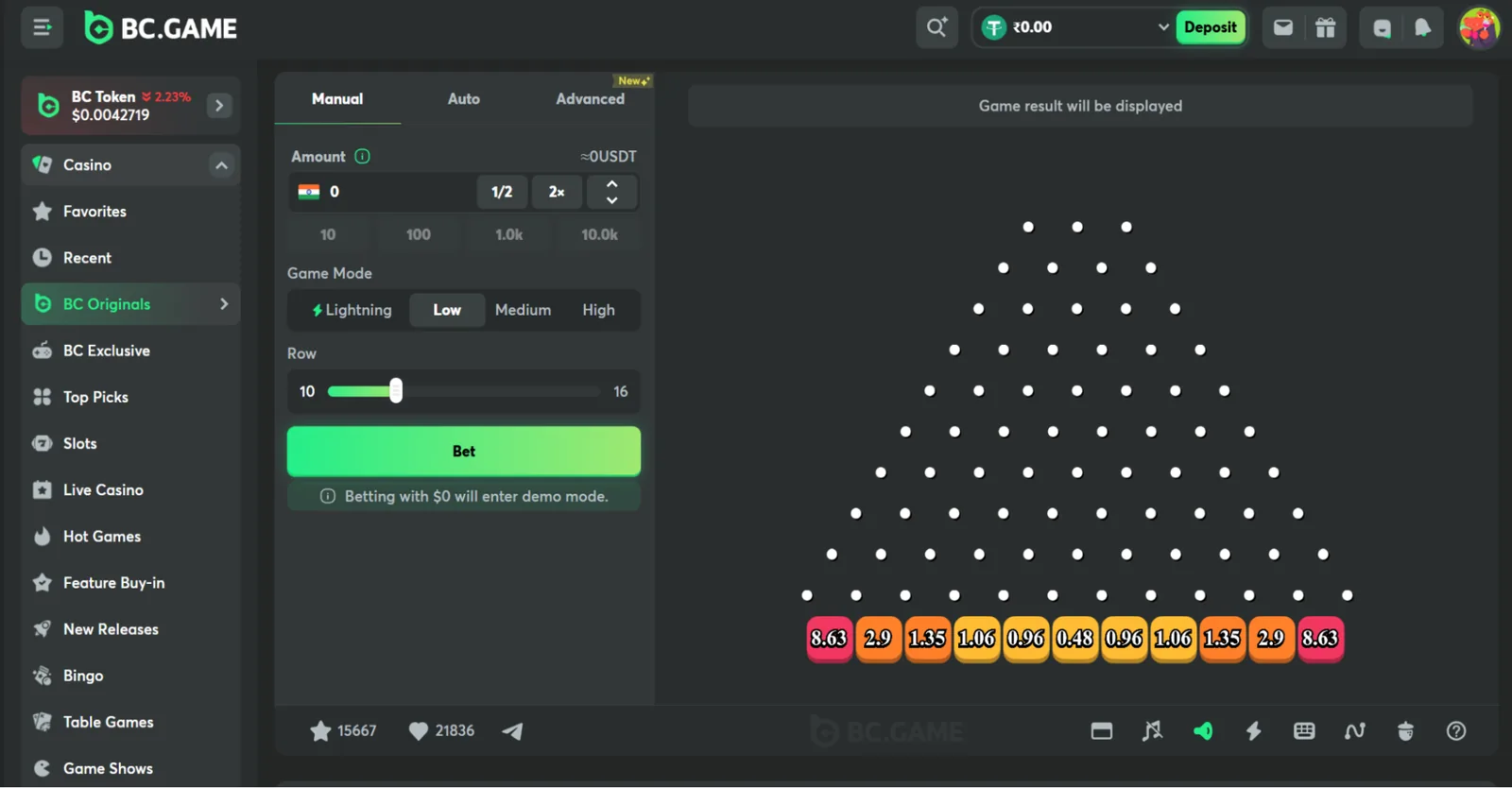
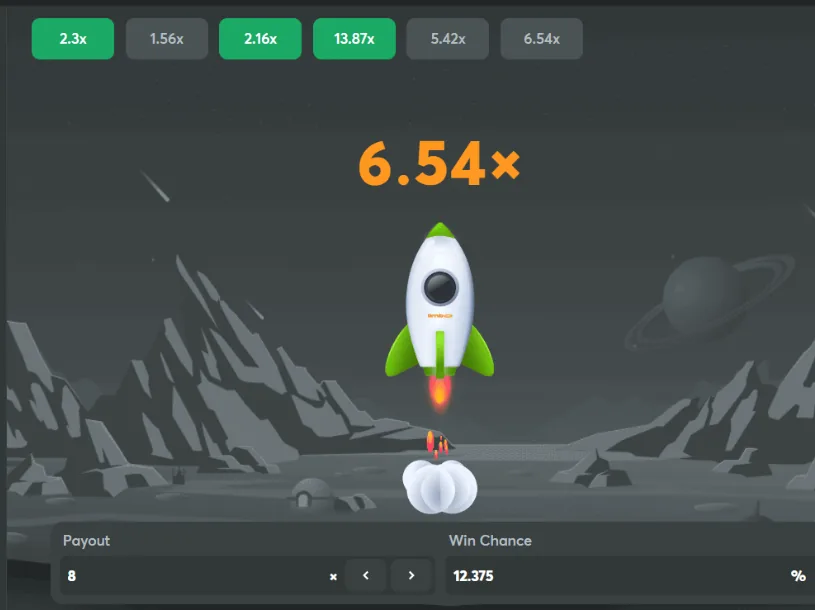
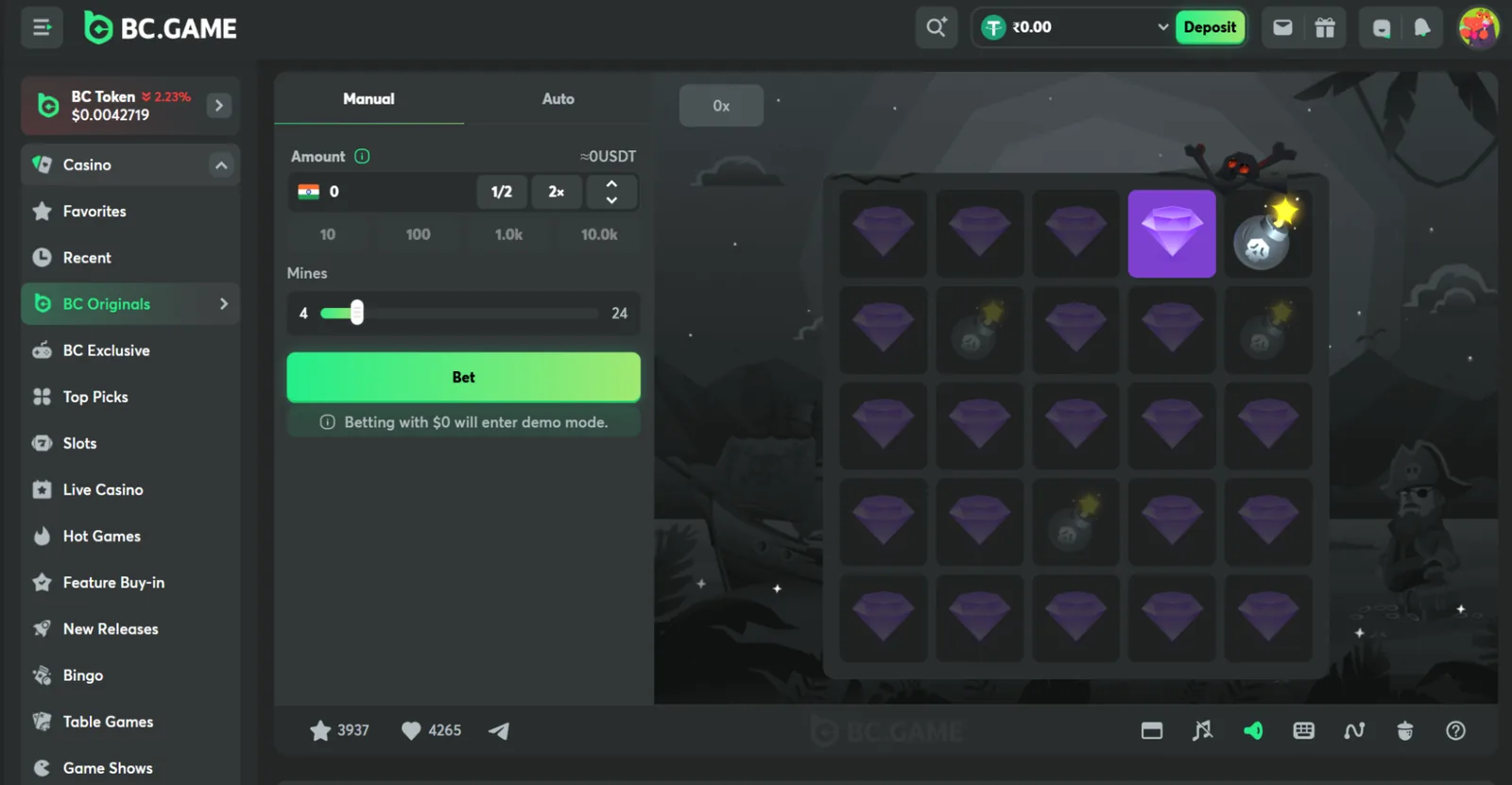


Animation and recorded result
The animation shows a round to the player, but it may not reveal how the result was calculated. A rising line, bouncing route, threshold meter, hidden grid or number board explains the format. The supporting technical material has a different job: it should identify the inputs, the result mapping and the game version.
Crash and Limbo make the distinction easy to see. Crash creates a changing visual path before a stop point; Limbo presents a direct threshold comparison. The screen feels different even if both rely on a value mapped by a documented process. Smooth movement can explain the game without proving the calculation behind it.
Randomness, volatility and short sequences
Randomness concerns the process used to produce a result. Volatility describes how results may be distributed over many rounds. Neither supplies a forecast for the next round. A short history can contain clusters or long gaps without creating a requirement for the following result to “balance” the sequence.
A version-specific return or volatility figure would need a current rule or technical document for that exact game version. This page does not transfer a number from another title or from a general brand statement.
Crash, Limbo, Plinko, Mines and Keno
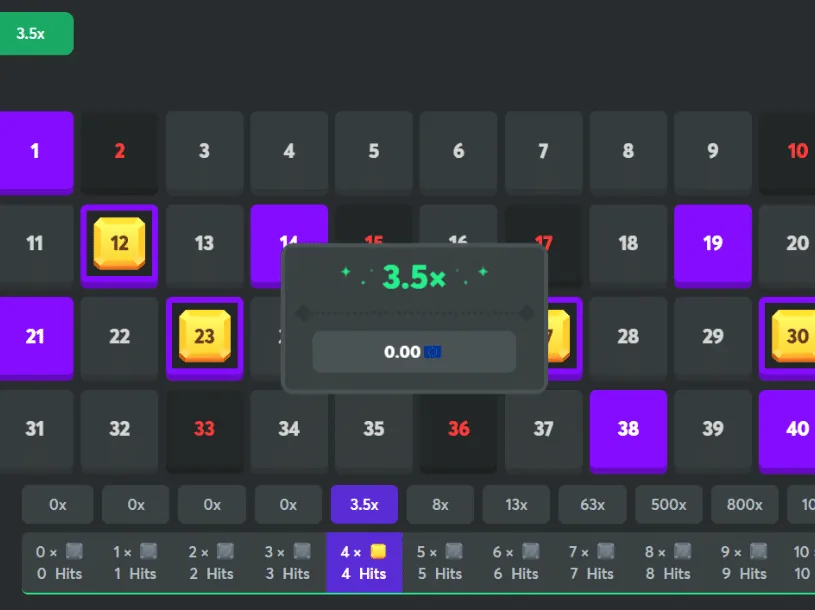
Crash presents a value that changes until a stop event. Limbo compares a result with a chosen threshold. Plinko shows a route through a field of pegs. Mines reveals cells in a concealed grid. Keno compares selected numbers with a later draw.
In Plinko, the path shown on screen is not a clue to a future route. An unrevealed Mines cell does not become safer because of a previous grid, and a recent Keno number does not acquire a debt to appear again. These dated interface captures explain the mechanics as they appeared when recorded rather than provide a system for choosing a result.
The control shown to a player also changes with the format. Limbo centres on a threshold, Mines on a sequence of cell reveals and Keno on a set of number selections. Those choices affect how a round is presented or mapped; they do not turn recent results into a forecast. A technical description should name the exact game version before linking an input to a recorded output.
What a round record needs
A useful record identifies the game and version, the client input, the earlier server commitment, the later disclosure and the calculation used for the result. If one of those pieces is missing, a reader may be able to inspect the animation or the final number without reproducing the check. The four-step diagram below keeps that task tied to one round instead of making a claim about every game or every account.
Fast rounds reduce thinking time
Compact formats can place the next decision close to the previous result. That speed can make a spending or time boundary easier to move. A successful hash comparison does not change the loss risk or make extending a session safer. Use a preset stop point and the Pause Plan independently of recent results.